Navigating Delaware's Scenic Backroads: Fall & Winter Wildlife Driving Tips
- By Christine Davis
- Posted
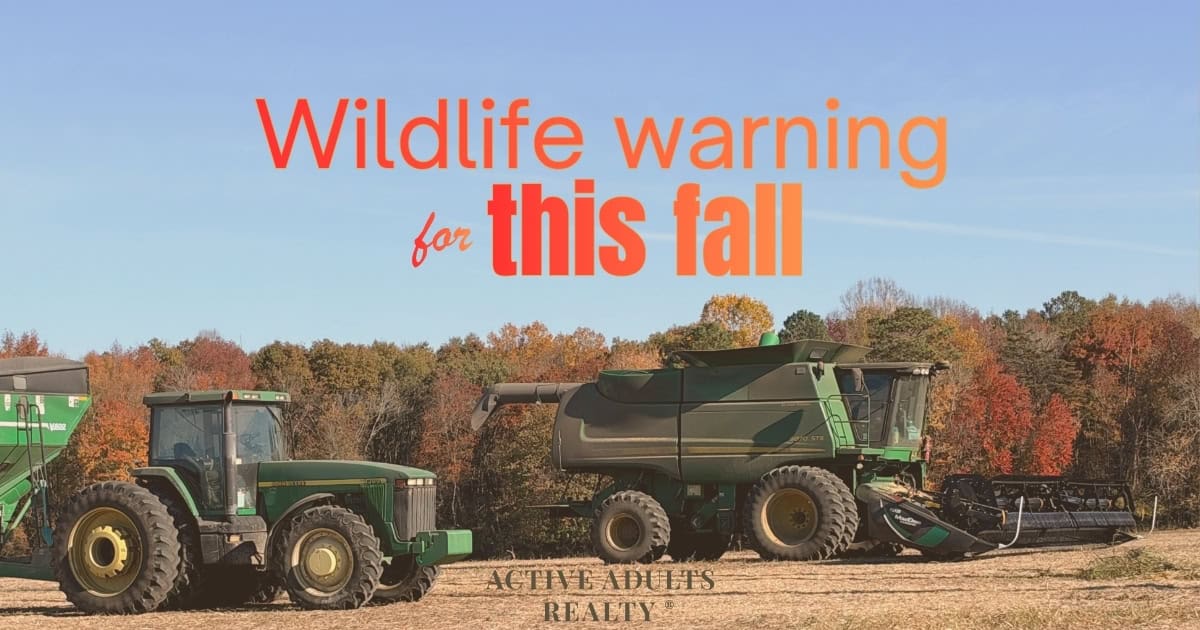
One of the greatest joys of living in Delaware is how quickly bustling coastal towns give way to peaceful agricultural fields, quiet country roads, and vibrant autumn woodlands. Whether you are commuting between Sussex and Kent counties or taking a scenic weekend drive, those wide-open rural views are part of what makes the First State feel so special.
However, as autumn harvest wraps up and the days grow shorter, those picturesque farm fields and wooded stretches bring an important seasonal reminder: local wildlife is on the move.
If you are new to the area—or simply adjusting to earlier sunsets—here is what every Delaware driver should know about navigating rural roads safely during the fall and winter months.
Why Wildlife Activity Spikes in Late Fall and Winter
Across Sussex, Kent, and New Castle counties, wildlife encounters along roadways peak between November and January for three primary reasons:
-
The End of Fall Harvest: As local farmers finish harvesting corn and soybean fields, deer and other wildlife lose a major source of food and cover, prompting them to travel across roads in search of new foraging areas.
-
Seasonal Migration and Mating: Late autumn marks peak deer movement across the Delmarva Peninsula, making animals far less cautious around traffic.
-
Earlier Sunsets: With daylight saving time behind us, evening rush hour now coincides directly with dusk—the exact window when deer, foxes, and other animals are most active.
6 Essential Tips for Safe Rural Driving
Keeping yourself, your passengers, and local wildlife safe comes down to a few proactive habits behind the wheel:
-
Be Extra Alert at Dawn and Dusk: Low-light conditions make it harder to spot animals blending into brown fields and leafless tree lines. Give yourself a few extra minutes for morning and evening drives.
-
Scan the Shoulders, Not Just the Road: Keep your eyes moving across the edges of farm fields, ditches, and wooded borders where animals typically emerge before stepping onto the asphalt.
-
Remember the "Follow-the-Leader" Rule: Deer rarely travel alone. If you see one cross the road in front of you, slow down immediately and expect two or three more to follow right behind it.
-
Use High Beams When Safe: On dark, unlit country roads without oncoming traffic, use your high beams to spot the reflective glow of animal eyes well ahead of your vehicle.
-
Don’t Swerve: If an animal suddenly enters your lane, brake firmly and stay in your lane. Swerving sharply on narrow rural roads often leads to losing control or veering into oncoming traffic or roadside ditches.
-
Watch for Seasonal Warning Signs: Yellow deer-crossing signs aren't placed at random—they mark well-established wildlife corridors where animals frequently cross between wooded areas and water sources.
Enjoying All Four Seasons in Delaware
Part of feeling right at home in a new community is learning the local rhythms of the land—from knowing when the farm stands close for the season to taking it slow on country roads after sunset.
Thinking about making Delaware your year-round home?
At Active Adults Realty, we love helping newcomers get settled into life across Sussex, Kent, and New Castle counties. Explore our Delaware community guides online or call our team at (302) 424-1890 to learn more about finding your ideal home in the First State!